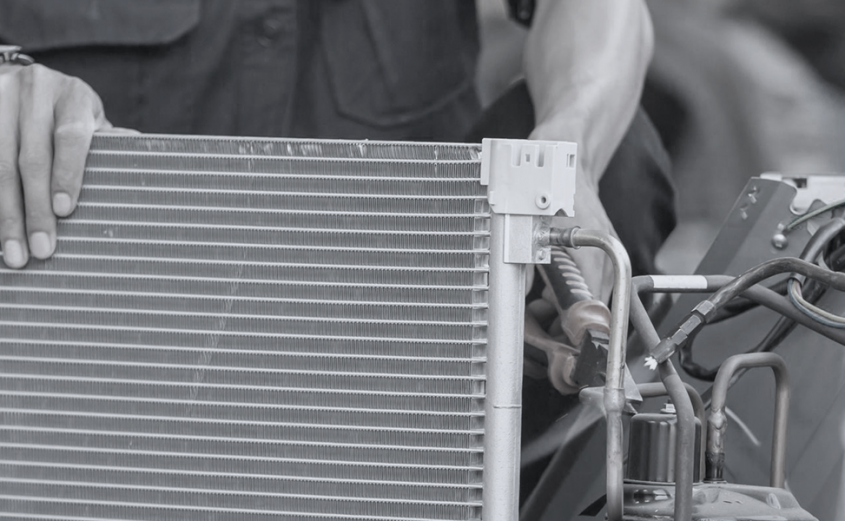
Growing needs for efficient heating systems, especially in the cold places, are transforming the heat pump to work efficiently in unfavorable weather. Microchannel heat exchangers, one of the components that make the performance better, have a reduced weight, and are more durable in the cold conditions, are the most significant catalysts for this revolution.
Why Microchannel Coils Excel under the Cold
At the core of this performance improvement is the heat exchanger with flat aluminum tubes and numerous internal channels. This geometry allows for maximum surface area as well as greater evenness of distribution of the refrigerant, which is required when extracting heat from cold exterior air. As opposed to copper-aluminum coils’ susceptibility to differential flow and hot spots, microchannel design allows for stable thermal transfer even during subzero conditions.
Among the key benefits in cold climates is the reduction in defrost cycle time and frequency. Because microchannel coils promote increased heat transfer, they are least likely to accumulate frost over time. If defrosting is required, the flat surface temperature offers an advantage in quicker and more uniform melting of ice, conserving energy and lowering downtime. It ensures a more uniform indoor climate and lower overall operating costs.
Durability and Retrofit Benefits
From a material standpoint, the intrinsic corrosion resistance of aluminum is an important advantage. In cold environments where salt spray, excessive humidity, or chemical exposure are common, standard coils degrade faster, leading to leaks and untimely failure. Microchannel coils, especially when they possess protective hydrophilic coatings, maintain integrity under these conditions, ensuring maximum service life and reduced maintenance demands.
For high-altitude and northern applications, the lighter coils also make installation and service by technicians simpler. Microchannel heat exchanger light weight also decreases rooftop and outdoor unit maintenance, especially during winter when access could be limited or dangerous. This operating benefit should not be overlooked since it has a direct impact on labor efficiency as well as system reliability in the long run.
In retrofit applications, the substitution of old systems with new microchannel components can yield immediate improvements in cold weather performance. The vast majority of old units had traditionally utilized copper tube and aluminum fin coils which were heavier, larger, and more corrosive. The replacement with microchannel equivalents, such as carrier condenser coil replacement solutions for cold climate use, offers an affordable method to enhance efficiency without system replacement.
These replacements are made to equal or surpass original equipment standards and incorporate the latest advancements in thermal engineering. Whether for a home split system or a commercial heat pump supplying air conditioning to a large facility, replacement with microchannel technology provides measurable benefits in energy efficiency, reduced maintenance, and better comfort control.
In addition, the low-GWP trend is compatible with microchannel performance. They need less refrigerant charge than traditional coils, which makes them an intelligent option for systems going green with eco-friendly fluids. Their strong capability to perform using a smaller refrigerant volume complements both regulatory performance and sustainability objectives.
Designers of systems and facilities managers wanting to implement heat pumps in arctic conditions would be advised to value the advantages of microchannel technology. From increased thermal performance and frost resistance, via lighter weight and longer service life, these heat exchangers provide a robust solution intended for harsh environmental conditions.
As the HVAC trade is constantly finding new ways to bend the rules of what can be achieved with heat pumps, microchannel heat exchangers are revealing themselves to be a vital component of achieving reliable, high-performance heat even in the coldest locations. Used either in new building or via carrier condenser coil replacement, their role in ensuring maximum cold climate heat pump efficiency cannot be underestimated.
For technicians and engineers in need of heavy-duty, reliable thermal management solutions, microchannel heat exchangers represent a cutting-edge answer—one that delivers real-world performance in some of the harshest conditions.
About the Author